To Those of Us Hijacked by Emotion: Why Practicing Restraint is the Deepest Act of Self-Compassion
- Jul 25
- 4 min read
Have you ever experienced a moment like this?
Perhaps at the end of an exhausting day, an offhand comment suddenly sparks a flare of anger inside you. Or maybe a dismissive glance at work prompts a sharp, barbed response before you can even catch yourself.
In that instant, emotion sweeps in like an unexpected storm, completely engulfing us. We convince ourselves that speaking up and venting our anger is a way to demand justice or release our pain. Yet when the storm subsides and the dust settles, what remains is rarely relief. Instead, we are left with profound exhaustion, messy deadlocks, and long-lasting regret.
An ancient Chinese text, The Treasure Mirror of the Clear Mind, offers a thought-provoking observation:
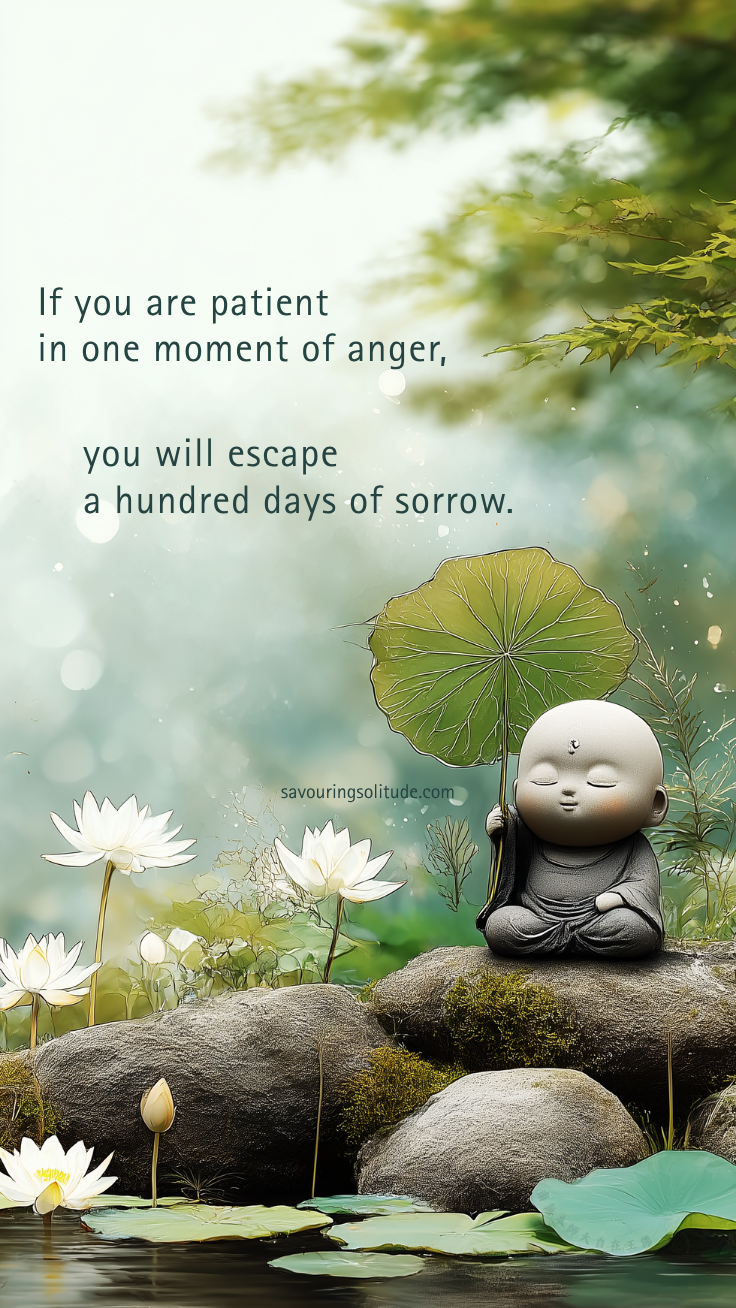
"If you are patient in one moment of anger, you will escape a hundred days of sorrow. Exercise restraint whenever you can, for where restraint is absent, small sparks ignite grand blazes, and endless worries are born."
This insight does not ask us to be passive, nor does it demand that we forcefully suppress our feelings. Rather, it reminds us that so many of the persistent anxieties in our lives stem from losing awareness and tolerance in a single, fleeting moment.
1. Why Do Minor Incidents Turn into Major Disasters?
The ancient wisdom that "where restraint is absent, small sparks ignite grand blazes" is precisely what modern neuroscience has confirmed.
Deep within our nervous system lies an ancient structure called the amygdala. It acts as our emotional alarm system. The moment we perceive an offense or a threat, the amygdala hijacks control of the brain in a fraction of a second, driving us straight into a "fight or flight" state.
During those crucial moments, the prefrontal cortex—the region responsible for composure, logic, and big-picture thinking—has not even had time to light up.
This is what science calls an "amygdala hijack." When it happens, we are not inherently malicious; the doors of reason in our brain have simply closed for a moment. A tiny ember lands on an unguarded heart, instantly exploding into an unmanageable wildfire.
What began as a simple misunderstanding or a minor gesture quickly escalates into a major crisis, simply because we failed to grant ourselves that brief moment to pause and reset.
2. Restraint is Not Submission—It is the Deepest Act of Self-Compassion
Many people recoil from the idea of "restraint," equating it with suppression, people-pleasing, or swallow their anger. True wisdom, however, never asks us to blindly bury our feelings.
Forcing a volcano to stay contained beneath the ocean floor will only lead to a more catastrophic eruption down the line, breeding even more turmoil.
The restraint described here is actually a space of awareness.
As psychologist Viktor Frankl eloquently wrote:
"Between stimulus and response there is a space. In that space is our power to choose our response. In our response lies our growth and our freedom."
When anger surges, try not to immediately lash out. Instead, step back as an observer and mentally acknowledge: "I am feeling deeply angry and hurt right now."
That recognition is your anchor. You are not denying your emotions; you are giving yourself a few seconds to cool down and refusing to let impulse take the wheel. This allows you to maintain an objective, broad perspective to assess the situation clearly. It is not a concession to others—it is an act of self-compassion and protection, preventing you from doing things that wound both yourself and others when controlled by anger.
3. Endless Troubles Stem from a Single Unrestrained Moment
Think back to the regrets that keep you up late at night. How many of them originated from a momentary loss of control?
Words spoken in heat that deeply wounded a loved one, taking months or years to heal the fracture.
Impulsive decisions made in the workplace that left you trapped in long-term anxiety and setbacks.
Minor grievances allowed to fester until your inner landscape became an overgrown wilderness of worry.
When we learn not to make decisions in the heat of anger, and not to speak from the center of an emotional storm, we quietly sever the chain reaction of future troubles. A single moment of clarity acts like a splash of cool water into a boiling cauldron, bringing everything back to balance.
4. How to Cultivate Inner Poise in Daily Life
Cultivating emotional balance does not happen overnight. Much like adjusting to the shifting seasons, it requires steady, conscious practice. The next time you feel anger rising within you, consider trying these three approaches:
I) Take a Deliberate Pause
When you notice your heart accelerating and your breathing becoming shallow, do not rush to respond. Count silently from one to ten, or place your hand over your chest while taking three deep breaths. Allow time for blood to flow back to your prefrontal cortex, giving your reason a chance to step back to the helm.
II) Uncover the Need Beneath the Emotion
Anger is often just the tip of the iceberg. Hidden beneath it might be feelings of being disrespected, afraid, or simply exhausted. Ask yourself: "What do I truly need right now?" When you begin to address your underlying needs, the sharp edges of your anger naturally begin to soften.
III) Step Away Gracefully
If the atmosphere prevents you from regaining composure, communicate your boundary plainly: "I'm feeling a bit overwhelmed right now and need time to clear my head. Can we continue this later?" Stepping away is not an escape; it is a way to preserve dignity and space for everyone involved.
Life is long, and we cannot control the storms that the external world throws our way, nor can we dictate how others choose to treat us.
We can, however, choose how we care for ourselves.
The next time anger comes knocking at your door, remember this ancient piece of wisdom. Patiently grant yourself those golden few seconds for impulse to pass and reason to return. Holding back your anger in a moment of conflict is not losing to the world; it is choosing to treat yourself with kindness, freeing your future from a hundred days of sorrow.
May we all maintain our core composure in a noisy world—keeping small things small, and letting unnecessary worries pass right by us.



Comments